High fidelity prototypes
High fidelity prototypes
Bento design system
Bento design system
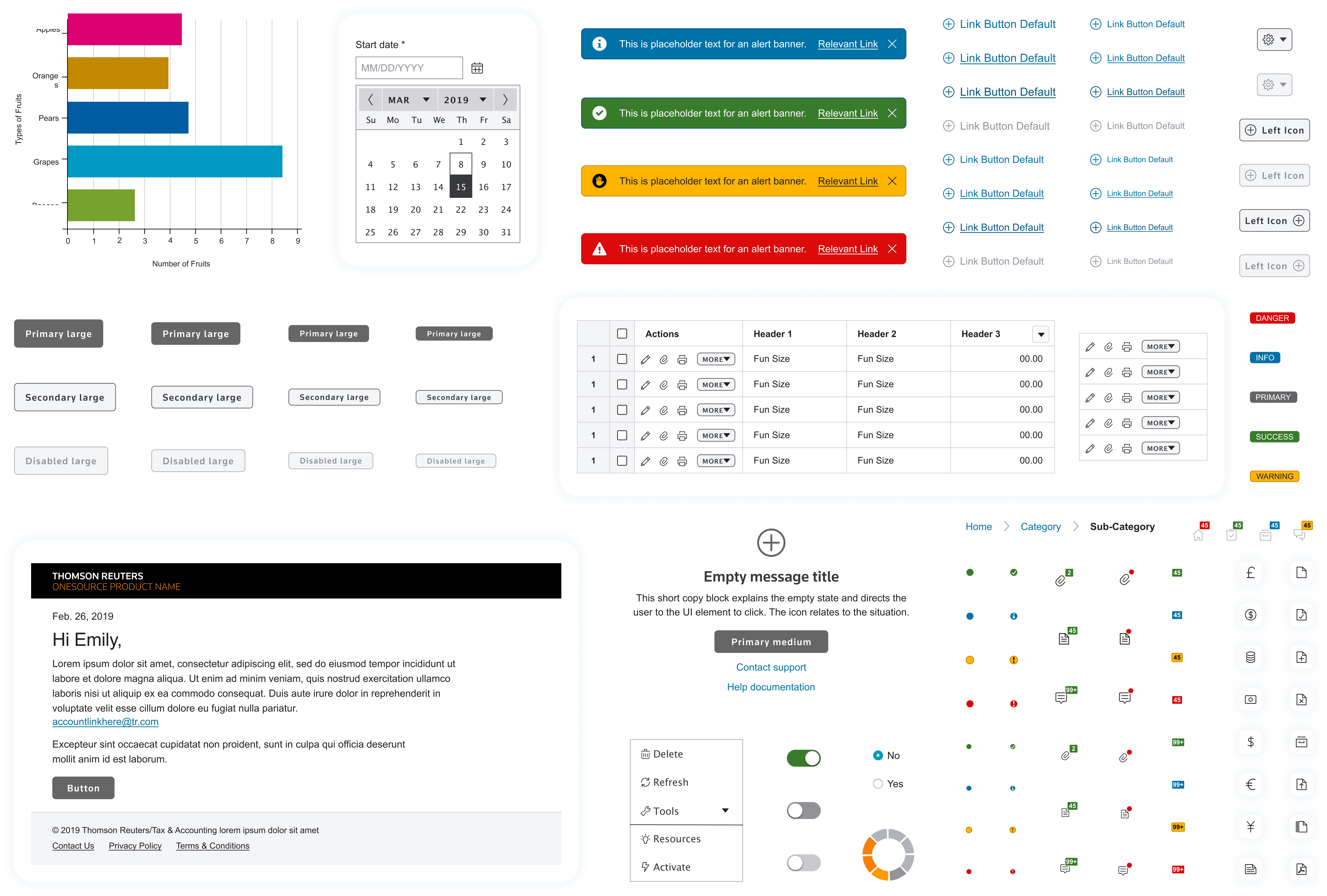
Thomson Reuters’ design system, developed by the U.S. UX team, is called Bento. By the time this project started, Bento was already established as the shared foundation for product design across the organization.
Before its implementation, teams relied on loose guidelines, which often led to inconsistencies between products. Bento emerged as a response to that challenge, aiming to provide a common visual and interaction language that could scale across regions and teams.
The system is extensive, built on an 8px grid and supported by clear documentation that helps designers combine components in a consistent way. Working within Bento meant aligning with existing patterns while focusing on how to best apply them to the specific needs of this product. This approach ensured that the resulting interfaces felt cohesive within the broader Thomson Reuters ecosystem while remaining purposeful for the problems we were solving.
Thomson Reuters’ design system, developed by the U.S. UX team, is called Bento. By the time this project started, Bento was already established as the shared foundation for product design across the organization.
Before its implementation, teams relied on loose guidelines, which often led to inconsistencies between products. Bento emerged as a response to that challenge, aiming to provide a common visual and interaction language that could scale across regions and teams.
The system is extensive, built on an 8px grid and supported by clear documentation that helps designers combine components in a consistent way. Working within Bento meant aligning with existing patterns while focusing on how to best apply them to the specific needs of this product. This approach ensured that the resulting interfaces felt cohesive within the broader Thomson Reuters ecosystem while remaining purposeful for the problems we were solving.
Bento Introduction
Bento Introduction
Challenges to navigate
Challenges to navigate
Most Thomson Reuters products are required to handle large volumes of information. Research showed that users were comfortable with more traditional interfaces and tended to favor dense, structured layouts over modern, airy or highly expressive UI patterns. As a result, Bento components were intentionally robust and conservative in their visual language.
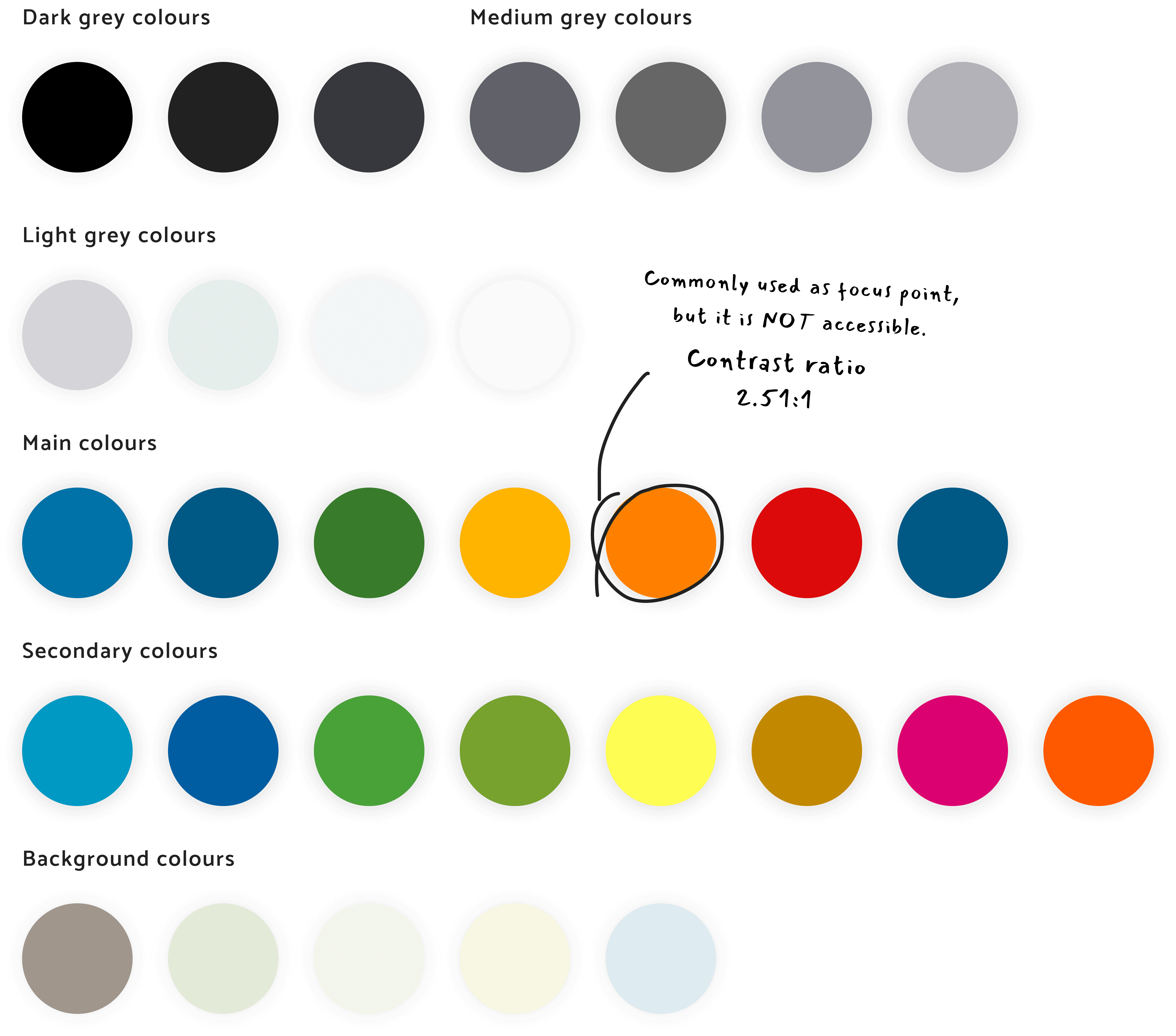
Within this context, my role was not to redefine the system, but to work inside it. Core Bento components could not be modified, and any need for additional functionality had to be formally proposed to the Bento team. Extensions went through a review process that could be accepted or rejected, and even when approved, prioritization depended on their roadmap rather than on product timelines.
This constraint shaped many design decisions. Feature requests often took months to resolve, and only a small number were eventually implemented. Designing within these boundaries required careful interpretation of the system, creativity in combining existing components, and a strong focus on making the most out of what was already available. Over time, this process sharpened my ability to design pragmatically—balancing ideal solutions with realistic constraints while still delivering coherent, usable interfaces within the Bento ecosystem.
Most Thomson Reuters products are required to handle large volumes of information. Research showed that users were comfortable with more traditional interfaces and tended to favor dense, structured layouts over modern, airy or highly expressive UI patterns. As a result, Bento components were intentionally robust and conservative in their visual language.
Within this context, my role was not to redefine the system, but to work inside it. Core Bento components could not be modified, and any need for additional functionality had to be formally proposed to the Bento team. Extensions went through a review process that could be accepted or rejected, and even when approved, prioritization depended on their roadmap rather than on product timelines.
This constraint shaped many design decisions. Feature requests often took months to resolve, and only a small number were eventually implemented. Designing within these boundaries required careful interpretation of the system, creativity in combining existing components, and a strong focus on making the most out of what was already available. Over time, this process sharpened my ability to design pragmatically—balancing ideal solutions with realistic constraints while still delivering coherent, usable interfaces within the Bento ecosystem.
Designing with Bento
Designing with Bento
Final UI: Adding activity
Final UI: Adding activity